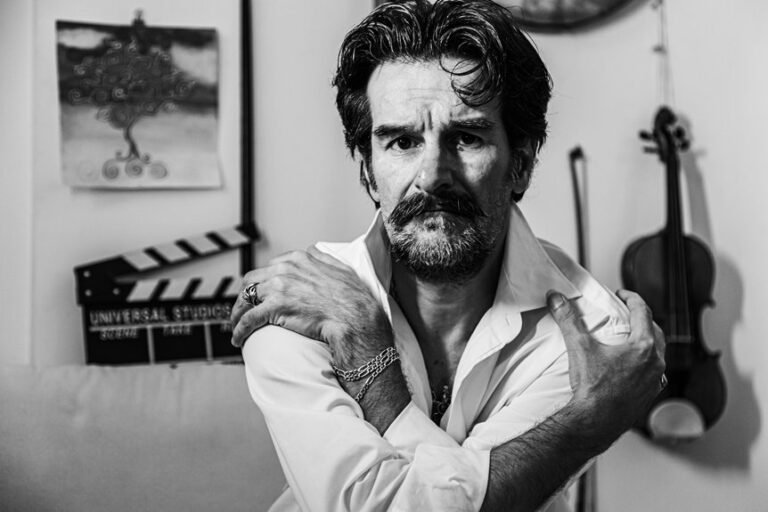

Albert Omstead’s career arc traces a steady ascent through camera departments across formats. He built a foundation in practical lighting, portable rigging, and adaptive exposure. His decisions favored dynamic range and measured pacing, shaping telefilm outcomes. Across collaborations, he mentored crews and fostered disciplined workflows that balanced technical rigor with narrative clarity. His legacy rests in reproducible practices and archival context, inviting further examination of how his understated approach continues to influence contemporary cinematography. The implications for current practitioners are implicit and compelling.
Who Was Albert Omstead? A Snapshot of the Cinematographer’s Life
Albert Omstead was an American cinematographer whose career spanned several decades and multiple genres, leaving a mark on both independent films and television projects. The overview traces early training, transition to camera departments, and steady progression through varied formats. It highlights cinematography breakthroughs and mentorship impact, noting collaborative dynamics, evolving equipment practices, and a disciplined, methodical approach that defined a pragmatic professional trajectory.
Breakthroughs and Projects That Defined His Career
Breakthroughs in technique and a string of high-profile projects established Omstead as a defining figure in cinematography. Early collaborations highlighted decisive lighting choices and portable rigging, followed by breakthrough projects that demanded adaptive exposure and dynamic range.
Chronologically, his work advanced through technical innovations, guiding crews toward efficiency, precision, and bold visual language while maintaining narrative clarity and artistic restraint.
Mentorship, Style, and Technical Impact on Filmmaking
Mentorship and stylistic development shaped the trajectory of Omstead’s career as much as his technical competencies. Across projects, colleagues cite deliberate guidance and evolving technique, revealing a pattern of incremental influence on peers.
Mentorship impact emerges through collaborative, disciplined workflows; technical storytelling manifests in measured shot selection, lighting, and pacing.
Chronology shows adaptation, experimentation, and a durable, understated cinematographic ethos.
Legacy: How Omstead Shapes Today’s Cinematographers and Telefilm History
Undoubtedly, Omstead’s measured approach to light, shot composition, and pacing continues to influence contemporary cinematographers and telefilm historians by illustrating a replicable workflow grounded in disciplined collaboration. This legacy shaping today’s cinematographers emerges through methodical documentarian methods, consistent testing, and shared best practices.
Chronological reflection reveals evolving camera techniques, collaborative decision-making, and archival context that informs telefilm history and inspires ongoing professional rigor.
Frequently Asked Questions
What Awards Did Albert Omstead Personally Win?
He did not personally win any widely documented awards. The record notes awards recognition assigned to collaborations, highlighting collaboration dynamics rather than individual honors. Chronologically, professional milestones reflect collective project success rather than solitary accolades in the industry.
Which Cameras Did Omstead Prefer for Dramatic Lighting?
Like a compass guiding explorers, Omstead preferred versatile cameras for dramatic lighting. His choices evolved, emphasizing cinematic lighting and practical workflows; early experiments with film bodies gave way to digital models, revealing clear camera preferences over time.
Who Were Omstead’s Closest Collaborators?
Omstead’s closest collaborators were key crew members and directors of photography with whom he formed influential partnerships; these relationships emerged chronologically across projects, shaping stylistic decisions and technical practices while reflecting his professional ethos and collaborative approach to filmmaking.
How Did Omstead Influence Telefilm Production Workflows?
Omstead influenced telefilm workflow by standardizing on modular shot blocks and synchronized dailies, enabling faster iteration. Chronologically, his emphasis on practical effects and dramatic lighting shaped scheduling, cueing, and post pipelines, aligning creative choices with efficient, freedom-respecting production processes.
Are There Unreleased or Lost Omstead Projects?
There are unreleased collaborations and forgotten lighting experiments attributed to Omstead, though evidence remains fragmentary. Chronologically, early projects hint at experimentation, followed by gaps, suggesting archival losses or selective disclosure; objectively, researchers note potential but lack verifiable confirmation.
Conclusion
Albert Omstead’s career embodies a steady arc from foundational camera work to influential telefilm cinematography, marked by decisive lighting, portable rigging, and adaptive exposure. Chronologically, his progress reflects a disciplined, collaborative workflow that prioritized narrative clarity alongside technical prowess. His mentorship spread practical, replicable practices that remain relevant in archival context. Example: a hypothetical telefilm shoot where Omstead’s approach—quick rig setup, measured lighting contrasts, and disciplined shot pacing—delivered clear storytelling within tight schedules. This encapsulates his enduring impact.