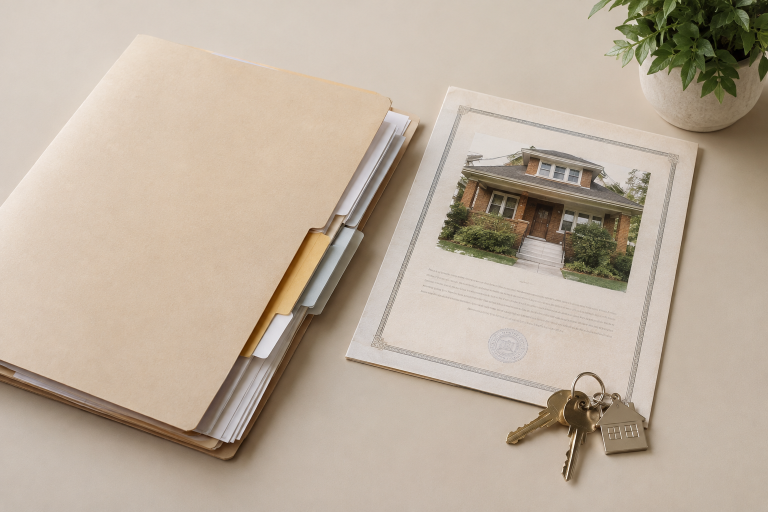

Inheriting a home in Chicago can bring meaningful value, but it can also create an immediate list of decisions. Between locating estate documents, keeping the heat on through an Illinois winter, checking unpaid bills, and coordinating with relatives, it is easy to feel pressured into making a quick choice. A careful process helps protect both the property and the people inheriting it. Families comparing ways to sell may want to understand every available path before committing. Illinois Real Estate Buyers is a Chicago-area cash home-buying company whose website describes direct offers for houses, condos, duplexes, and other properties in Chicago and surrounding communities. Its focus on purchasing properties in varying conditions makes it a relevant local option to consider alongside a conventional real estate listing, particularly when an inherited home needs work, or the family wants fewer showings.
Confirm Who Has the Legal Right to Act
Before anyone lists, repairs, or signs a sales contract for the home, determine who has authority to act. That person may be the executor named in a will, a court-appointed administrator, a trustee, or a surviving joint owner. The deed, will, trust, and any transfer-on-death documents can affect who controls the property and whether court involvement is needed.
Find Out Whether Probate Applies
Probate is the court-supervised process of settling a deceased person’s estate. It can involve appointing a representative, notifying creditors, identifying assets, paying valid debts, and transferring property. Whether an inherited Chicago house must go through probate depends largely on how it was owned and whether it was held in a trust or passed through another arrangement. An Illinois probate attorney can help heirs understand their authority before they accept an offer or sign a listing agreement.
Protect the Home While Decisions Are Made
An empty property can develop expensive problems quickly, especially during Chicago’s freezing weather and wet spring seasons. If a direct sale is one option under consideration, families can compare a local cash-offer process at https://www.illinoisrealestatebuyersinc.com/ with the time and effort required to prepare the house for the open market. Either way, secure the home first and keep clear records of every expense.
- Change locks, secure windows, and remove mail, medications, valuables, and sensitive papers.
- Maintain heat when necessary to reduce the risk of frozen pipes.
- Keep insurance active and confirm that vacant-home requirements are being met.
- Arrange lawn care, snow removal, pest checks, and essential repairs.
- Take dated photographs and written notes showing the home’s condition.
Review Mortgages, Taxes, Liens, and Utility Balances
Request a mortgage payoff statement and check for home equity loans, association dues, municipal charges, code issues, unpaid utilities, and recorded liens. Property taxes remain important while the estate is open because unpaid amounts can reduce what heirs ultimately receive. Families dealing with overdue bills can review Cook County tax sale information to understand the county’s general process, but should seek timely legal or tax advice for a specific delinquency.
Gather Documents Before Marketing the Property
Having documents ready can prevent avoidable closing delays. Create one organized file containing the certified death certificate, will or trust documents, letters of office or other proof of authority, deed, tax bills, insurance details, mortgage information, repair receipts, HOA documents, and records of known liens or violations. A title company or attorney may identify additional items needed for the particular sale.
Decide Whether to Keep, Rent, or Sell
Keeping the Property
Keeping the home may make sense if an heir plans to live there and can afford the mortgage, taxes, insurance, and maintenance. Emotional attachment matters, but it should be weighed alongside the ongoing cost of ownership.
Renting the Property
Renting can create income, but it also requires a habitable property, landlord oversight, repairs, and compliance with applicable rules. A family should decide who will manage tenant concerns and how expenses will be shared before treating a rental as the default solution.
Selling the Property
Selling may turn a difficult-to-divide asset into proceeds that can be distributed according to the estate plan. It can also end carrying costs, but the best approach depends on title status, condition, timeline, and the heirs’ goals.
Estimate Value Before Paying for Major Repairs
Review comparable local sales and assess the house as it stands. Prioritize health, safety, water intrusion, and systems that could cause further damage. Cosmetic projects may not always return their full cost. For example, an older brick bungalow on the Northwest Side may need roof work or electrical updates, while a full kitchen renovation could be unnecessary if the estate needs a prompt, as-is sale. Compare the likely net proceeds from a traditional listing with the costs of repairs, commissions, holding costs, and direct offers.
Consider Tax Consequences Before Closing
Inherited property can raise several separate tax questions, including property taxes, transfer taxes, estate administration costs, and potential capital gains tax. In many situations, inherited property receives a tax basis tied to its value as of the date of death, but the results depend on the estate, timing, sale price, and other factors. A qualified tax professional should review the numbers before sale proceeds are distributed.
Address Family Disagreements Early
An inherited house often becomes harder to manage when one heir wants to keep it, and another wants to sell it. Put key decisions in writing, including deadlines, repair budgets, access to the property, and responsibility for expenses. If communication has stalled, a probate attorney or mediator may help the family identify a workable agreement. When multiple owners cannot agree, the dispute can become more costly and time-consuming.
Compare Selling Options in Chicago
A traditional agent listing may offer broad market exposure but can involve repairs, staging, showings, commissions, and a longer preparation period. Selling without an agent may offer greater control, though the seller remains responsible for pricing, marketing, negotiations, and paperwork. A direct buyer may offer convenience and an as-is purchase, but families should still verify the buyer’s identity, funds, contract terms, title process, and closing timeline.
Chicago-Area Tax Issues to Watch
Tax rules and procedures can change, which is especially important for estates holding delinquent property. Recent Cook County property tax reform discussions have focused on how tax-debt sales and surplus equity are handled. Because deadlines and legal rights can be fact-specific, heirs should confirm current requirements with the Cook County Treasurer, an attorney, or a tax professional rather than relying on old information.
Common Questions About Selling an Inherited Chicago Home
Can a house be sold before probate ends?
Sometimes, but the answer depends on ownership, estate documents, court authority, and title requirements.
Do all heirs need to agree?
That depends on whether the home is controlled by an executor, trustee, or multiple individual owners. Obtain legal guidance before assuming one heir can act alone.
See also:Shane Guidry Net Worth Career Business and Wealth
Who pays taxes and the mortgage?
The estate may pay these costs when funds are available, but responsibility can depend on the estate’s administration and the loan terms.
Final Checklist
- Confirm legal authority and probate status.
- Secure and insure the property.
- Review loans, taxes, liens, and bills.
- Gather estate and property records.
- Estimate value before approving major repairs.
- Discuss the plan with all heirs.
- Compare sale methods before signing a contract.
Selling an inherited house in Chicago does not need to be one rushed decision. By protecting the property, confirming legal authority, understanding costs, and comparing realistic sale options, families can make a choice that respects both the estate and the people involved.